
Why Bacteria in Your HVAC System Is a Big Problem 1. You’re Breathing It Every Day Your HVAC system circulates air throughout your entire home or business. If bacteria are present, they get distributed into every room . That means: Respiratory irritation Allergies and asthma flare-ups Increased risk of illness (especially for kids and elderly) 2. Moisture + Darkness = Bacteria Growth Inside HVAC systems—especially around coils and drain pans—you’ve got the perfect environment: Moisture Dust (food source) Dark enclosed spaces This can lead to: Mold and mildew growth Musty odors in the home Biofilm buildup that spreads bacteria 3. It Reduces System Efficiency Bacteria and buildup don’t just affect health—they hurt performance . Dirty coils can’t transfer heat properly Airflow becomes restricted System runs longer and works harder 👉 Result: Higher energy bills + more wear and tear \ 4. That “Dirty Sock Smell” Isn’t Normal If your system smells musty when it kicks on, that’s often bacteria or mold growing on the evaporator coil. Common in Florida due to humidity Especially noticeable after system cycles off/on This is a clear warning sign your system needs attention. 5. It Can Spread Contaminants Throughout the Home Once bacteria enter the airflow, your duct system becomes a delivery system . Spreads contaminants to every vent Re-contaminates cleaned areas Impacts overall indoor air quality (IAQ) ✅ How to Prevent Bacteria in the Airstream Simple but Powerful Solutions: Regular HVAC maintenance (clean coils, drain lines) High-quality air filters (changed regularly) UV light systems (kill bacteria at the source) Proper humidity control Duct cleaning (when needed) 💡 Bottom Line If your HVAC system isn’t clean, your air isn’t clean . Keeping bacteria out of the airstream means: ✔ Healthier air ✔ Better system performance ✔ Lower energy costs ✔ A longer-lasting HVAC system
Great customer service isn’t complicated — but it is intentional . It’s about how you make people feel before, during, and after they do business with you. Here are the core elements of great customer service: 1. Fast Response Time People don’t like waiting — especially when their AC is out in the middle of a Florida summer. Quick replies to calls, texts, and emails show customers they matter. 2. Clear Communication Explain what’s wrong, what it will cost, and what the options are — in plain English. No confusing technical talk. No surprise fees. 3. Reliability Show up when you say you will. Do what you promise. If something changes, communicate immediately. 4. Professionalism Clean appearance, respectful attitude, and care for the customer’s home (shoe covers, clean workspace, etc.) go a long way. 5. Honesty Don’t sell what isn’t needed. If a repair will solve the issue, say so. Customers remember integrity. 6. Problem Ownership If something isn’t right, fix it. No blaming the manufacturer, weather, or “the last guy.” Take responsibility and make it right. 7. Follow-Up A quick “Just making sure everything is running great” call or message builds long-term trust and repeat business.
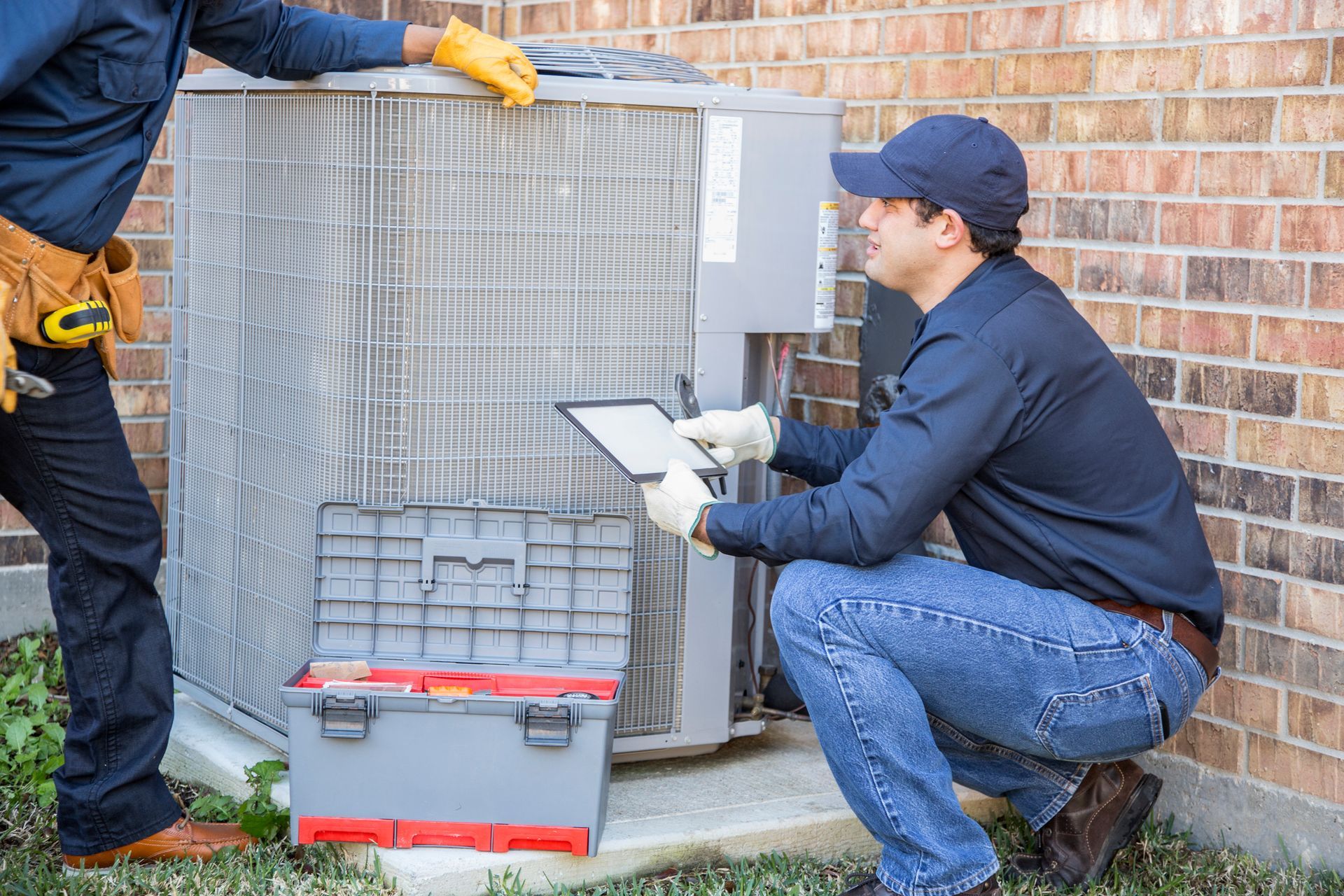
Why HVAC Maintenance Is Important for Your Home Comfort and Wallet Your heating and air conditioning system works hard all year long to keep your home comfortable. But like any machine, it needs regular care to run properly. At T&R Expert Air Solutions , we see it all the time—small issues that could have been prevented with routine HVAC maintenance turning into costly repairs. If you’re wondering whether HVAC maintenance is really worth it, the short answer is yes. Here’s why. What Is HVAC Maintenance? HVAC maintenance is a professional inspection and tune-up of your heating and cooling system. During a maintenance visit, a licensed HVAC technician will: Inspect and clean key components Check refrigerant levels Test electrical connections Replace or clean air filters Make sure your system is running efficiently and safely This service helps your system perform the way it was designed to. Benefits of Regular HVAC Maintenance 1. Fewer Breakdowns Routine HVAC maintenance helps catch small problems before they turn into major system failures. This can save you from emergency AC repair or heating repair during the hottest or coldest days of the year. 2. Lower Energy Bills A clean, well-maintained HVAC system doesn’t have to work as hard to heat or cool your home. That means improved energy efficiency and lower monthly utility bills. 3. Longer System Lifespan Heating and air conditioning systems are a big investment. Regular maintenance helps extend the life of your HVAC system, delaying the need for an expensive AC replacement or furnace replacement. 4. Better Indoor Air Quality Dirty filters and components can circulate dust, allergens, and debris throughout your home. HVAC maintenance improves airflow and helps keep your indoor air cleaner and healthier. 5. Protects Your Warranty Many HVAC manufacturers require documented maintenance to keep warranties valid. Skipping maintenance could cost you thousands if something goes wrong. How Often Should HVAC Maintenance Be Done? Air Conditioning Maintenance: Once a year, preferably in the spring Heating System Maintenance: Once a year, preferably in the fall Scheduling maintenance before peak seasons ensures your system is ready when you need it most. Why Choose T&R Expert Air Solutions? At T&R Expert Air Solutions , we provide reliable HVAC maintenance, AC repair, heating repair, and system replacements you can trust. We focus on honest service, quality workmanship, and keeping your home comfortable year-round. Whether you need routine HVAC maintenance or fast, professional service, our team is here to help. Schedule HVAC Maintenance Today Don’t wait for your system to break down. Regular HVAC maintenance saves money, improves comfort, and gives you peace of mind. Contact T&R Expert Air Solutions today to schedule your HVAC maintenance service and keep your system running at its best.
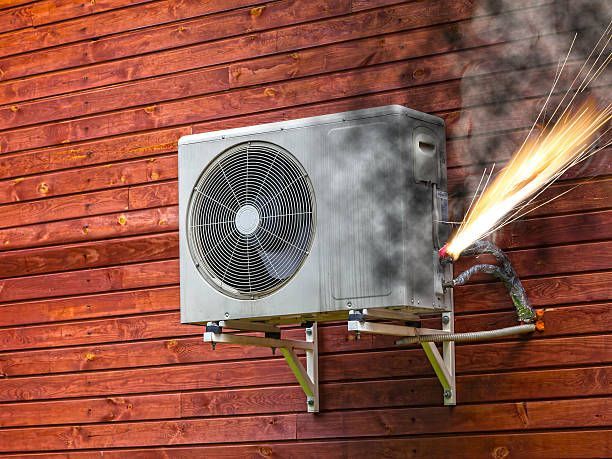
AC Repair vs. AC Replacement: Which Is Right for Your Home? Let’s be honest — nobody wakes up excited to deal with their air conditioner. Usually it starts like this: Your house feels warmer than it should The AC is making a noise it definitely did not make before You’re standing by the vent like, “Is it blowing… or am I imagining things?” At that point, every homeowner asks the same question: Do I repair this thing… or is it time to replace it? Let’s break it down without the technical mumbo jumbo. When AC Repair Makes Sense Think of AC repair like fixing a flat tire. Annoying? Yes. Worth replacing the whole car? Probably not. AC repair is usually the right choice if: Your system is under 10 years old The problem just started It still cools well most of the time The repair cost is reasonable This isn’t your AC’s third breakdown this summer Common repairs we see: Bad capacitor (very common) Refrigerant issues Electrical problems Dirty or clogged components Thermostat issues In many cases, a simple repair gets your home cool again the same day — and your wallet stays happy. When AC Replacement Is the Better Choice Now let’s talk about the other side of things. If your AC is older, tired, and breaking down more often than it should, replacement may actually save you money and stress. AC replacement is often the smarter move if: Your system is 10–15+ years old Repairs keep piling up Energy bills are climbing for no clear reason Your house never feels evenly cool The unit uses outdated refrigerant You’re on a first-name basis with your HVAC technician At some point, repairing an old AC is like putting new tires on a car with extremely high mileage. It might work, but probably not for long. The 50% Rule (An Easy Way to Decide) Here’s a simple rule we like to share with homeowners: If the repair cost is close to 50% of the cost of a new system , replacement usually makes more sense. Why? New systems are far more energy efficient Fewer breakdowns Better comfort Warranty protection Lower monthly energy bills Your future self will thank you when the AC works on the hottest day of the year. Comfort Matters More Than You Think This isn’t just about fixing a machine. It’s about: Sleeping comfortably Not sweating on the couch Keeping kids and pets cool Not arguing over the thermostat A newer AC system cools your home more evenly, runs quieter, and doesn’t make you nervous every time it turns on. Still Not Sure? That’s Normal. Most homeowners don’t want to replace their AC — and we understand that. A professional inspection helps you make the right call. A trustworthy HVAC company will: Check the age and condition of your system Explain repair vs. replacement honestly Offer options without pressure Help you make the best long-term decision Sometimes repair is the right answer. Sometimes replacement saves money over time. The key is knowing before the AC completely gives out during peak heat. We’re Here to Help At T&R Expert Air Solutions , we help homeowners choose the best option for their situation — not just the most expensive one. Whether you need: A simple AC repair An honest replacement recommendation Or a clear explanation of what’s going on We’re here to help. Call today to schedule service or an evaluation! 352-345-2661 We’ll help you stay cool without the stress.
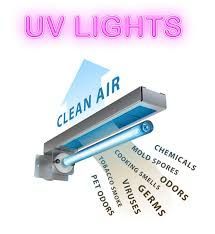
How Effective Are UV Lights in HVAC Systems? UV (ultraviolet) lights are often added to HVAC systems to help improve indoor air quality. They don’t replace filters or clean all the air in your home, but they can be very helpful when used the right way. What Do UV Lights Do? HVAC UV lights use UV-C light , which can kill or deactivate mold, bacteria, and some viruses. They are usually installed inside the HVAC system, not in living spaces. Where UV Lights Work Best 1. On the Evaporator Coil (Most Effective) Prevents mold and bacteria from growing Reduces musty odors Keeps the system cleaner and more efficient This is where UV lights are most effective , often reducing microbial growth by up to 99% on surfaces. 2. Inside Ductwork Helps reduce germs in the air Air moves quickly, so exposure time is short Because of this, in-duct UV lights provide moderate air cleaning and work best when combined with good filters. What UV Lights Can and Can’t Do They CAN: Reduce mold and bacteria inside the HVAC system Improve system cleanliness Help with odors and allergy triggers They CANNOT: Remove dust or pet hair Replace air filters Completely disinfect all indoor air Maintenance & Safety UV lights must be installed safely inside the system Bulbs need replacement every 9–12 months Proper sizing and placement matter Bottom Line UV lights are most effective for preventing mold inside HVAC systems , especially on coils. They work best as part of a complete indoor air quality setup that includes good filters and regular maintenance. They’re a helpful upgrade—but not a cure-all.





